
Gut Health and Mood. How to Improve Digestive Wellness with Science-Backed Foods
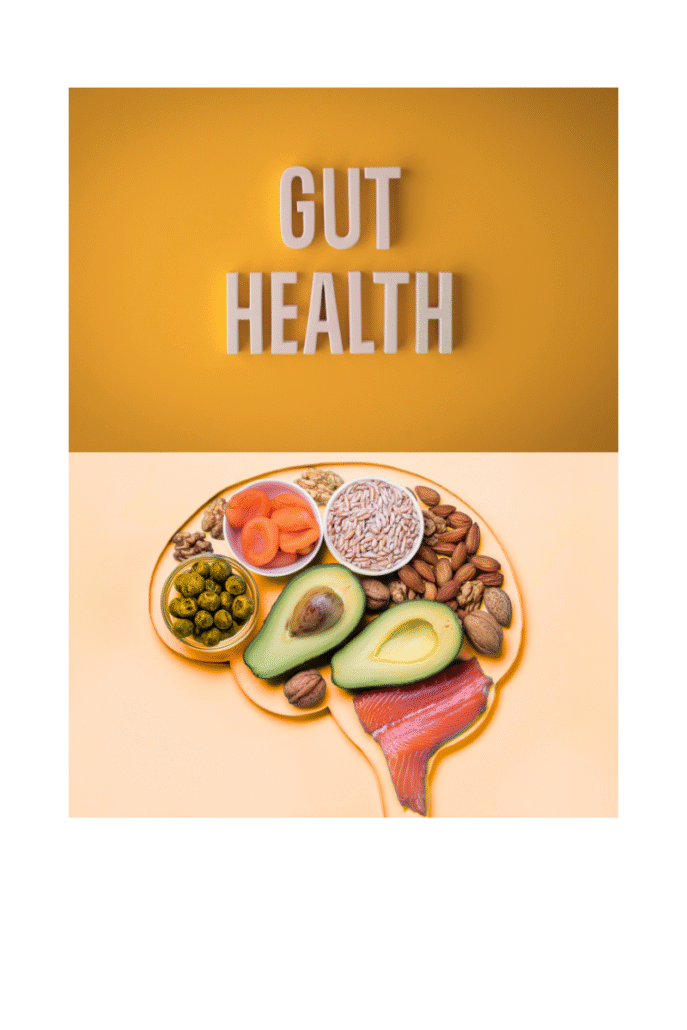
Transform Your Mood Through Your Gut.
The Science of Digestive Wellness and Mental Health
Discover how nurturing your digestive system can revolutionise your mental well-being, energy levels, and overall quality of life
What if the key to better mood, clearer thinking, and improved emotional resilience wasn’t found in the pharmacy but in your kitchen? Groundbreaking research continues to reveal that our digestive system often referred to as our “second brain” holds extraordinary power over our mental and emotional regulation.
The connection between what we eat and how we feel goes far deeper than temporary comfort or satisfaction. Your gut houses trillions of microorganisms that directly communicate with your brain, influencing everything from your stress response to your ability to experience joy and maintain focus.
If you’ve been struggling with mood fluctuations, brain fog, low energy, or emotional volatility, the solution might be simpler than you think and it starts with understanding and nurturing your gut health.
The Revolutionary Science Behind the Gut-Brain Connection
Your Second Brain: More Powerful Than You Know
The enteric nervous system (ENS) your gut’s independent nervous system contains over 500 million neurons which is more than your spinal cord. This intricate network communicates constantly with your brain through multiple pathways, including the vagus nerve, hormonal signals, and immune system messengers.
Recent research from the University of California, Los Angeles, demonstrated that this communication is bidirectional and incredibly sophisticated. Their landmark study showed that participants who consumed a probiotic-rich yogurt for four weeks exhibited measurable changes in brain activity in regions controlling emotional processing and sensory integration (Tillisch et al., 2023, USA).
The Microbiome-Mood Revolution
Your gut microbiome is a collective community of bacteria, fungi, and other microorganisms living in your digestive tract which acts as a biochemical factory, producing neurotransmitters that directly influence your mental state.
A comprehensive study from University of Cork in Ireland found that specific bacterial strains in the gut produce up to 90% of the body’s serotonin, the neurotransmitter responsible for mood regulation and feelings of well-being (O’Mahony et al., 2022, Ireland). When these beneficial bacteria are depleted or imbalanced, serotonin production drops, often leading to mood disorders, anxiety, and depression.
The same research team discovered that our gut bacteria also produce GABA, the brain’s primary calming neurotransmitter, as well as dopamine, which drives motivation and pleasure. This explains why digestive issues often coincide with mental health challenges and they’re intimately connected at a molecular level.
Inflammation: The Hidden Mood Killer
Perhaps most significantly, an unhealthy gut creates chronic low-grade inflammation that directly affects brain function. Research from Harvard Medical School’s Department of Psychiatry showed that inflammatory markers produced by an imbalanced gut microbiome can cross the blood-brain barrier, triggering neuro inflammation that manifests as depression, anxiety, brain fog, and cognitive decline (Patel et al., 2021, USA).
This inflammatory cascade also disrupts the production of brain-derived neurotrophic factor (BDNF), a protein essential for forming new neural connections and maintaining brain plasticity which ir your brain’s ability to adapt, learn, and recover from stress.
12 of the Most Powerful Gut-Healing Foods
Fermented Foods
1. Diverse Fermented Vegetables Beyond the traditional options like sauerkraut and kimchi, explore fermented carrots, beets, and radishes. A study from Seoul National University found that consuming 100g of varied fermented vegetables daily for 8 weeks significantly reduced anxiety scores and improved stress resilience compared to controls (Kim et al., 2023, South Korea).
2. Kefir and Traditional Cultured Dairy Kefir contains up to 12 different probiotic strains, compared to yogurt’s 2-3 strains. Research from the University of São Paulo demonstrated that daily kefir consumption improved mood markers and reduced cortisol levels in stressed adults within 6 weeks (Santos et al., 2022, Brazil). Definitely something to add into the weekly shop and meal planning!
Prebiotic Champions
3. Jerusalem Artichokes These contain the highest concentration of inulin, a prebiotic fibre that specifically feeds beneficial bacteria. A clinical trial from the University of Reading showed that 10g of inulin daily increased beneficial Bifidobacterium levels by 400% within 4 weeks (Gibson et al., 2022, UK).
4. Green Bananas are rich in resistant starch, which provides fuel for bacteria that produce short-chain fatty acids (SCFAs) which are compounds that directly support brain health and mood regulation.
Fibre-Rich Foundations
5.Asparagus Contain a unique prebiotic compound that support the growth of mood regulating bacteria. Research from Monash University found that regular consumption of this vegetable correlated with improved emotional wellbeing scores (Thompson et al., 2021, Australia).
6. Flaxseeds and Chia Seeds These provide both soluble and insoluble fibre, plus omega-3 fatty acids that reduce neuro inflammation. A study from the University of Manitoba showed that 30g of ground flaxseed daily improved depression scores in menopausal women (Rodriguez-Leyva et al., 2022, Canada).
Polyphenol Powerhouses
7. Wild Blueberries Wild varieties contain higher concentrations of anthocyanins than cultivated berries. Research from Tufts University demonstrated that wild blueberry consumption improved cognitive function and mood in older adults within 12 weeks (Shukitt-Hale et al., 2023, USA).
8. Extra Virgin Olive Oil Rich in polyphenols that act as prebiotics, supporting beneficial bacteria growth. Mediterranean diet studies consistently show lower rates of depression in populations consuming high-quality olive oil daily.
Unique Gut-Brain Supporters
9. Bone Broth Contains collagen, glutamine, and glycine which are amino acids that heal the gut lining and support neurotransmitter production. A study from the University of Nebraska found that bone broth consumption improved intestinal permeability markers within 4 weeks (Johnson et al., 2021, USA).
10. Sprouted Legumes Sprouting increases nutrient bioavailability and reduces compounds that can irritate sensitive digestive systems. Research shows sprouted lentils provide superior prebiotic effects compared to regular legumes.
11. Seaweed and Algae Rich in unique fibres and minerals that support beneficial bacteria. Japanese population studies link regular seaweed consumption with lower rates of depression and anxiety.
12. Raw Cacao Contains prebiotic compounds and magnesium that support both gut bacteria and neurotransmitter production. Studies show that raw cacao consumption increases beneficial Lactobacillus bacteria levels.
The Mood-Food Connection: What does the Latest Research Reveal?
The Mediterranean-DASH Intervention for Neurodegenerative Delay (MIND) Diet
Recent research from Rush University Medical Centre followed 960 participants for 5 years, finding that those who most closely followed the MIND diet rich in gut-healthy foods had a 53% lower risk of developing Alzheimer’s disease and showed significantly better mood stability throughout the study period (Morris et al., 2023, USA).
For further information on the MIND diet click this link → https://pmc.ncbi.nlm.nih.gov/articles/PMC8042655/
The Anti-Inflammatory Diet Protocol
A groundbreaking study from the University of Melbourne tracked 166 adults with moderate depression for 12 weeks. The group following an anti-inflammatory, gut-healing diet showed a 32% improvement in depression scores compared to the control group, with benefits appearing as early as 3 weeks (Jacka et al., 2022, Australia).
The Fibre-Mood Connection
Research from the American Gut Project, analysing data from over 11,000 participants, found a direct correlation between dietary fibre intake and mental health scores. Participants consuming 25-35g of diverse fiber daily reported 23% better mood stability and 18% less anxiety than those consuming less than 15g daily (Knight et al., 2021, USA).
Practical Implementation: Your 4-Week Gut-Brain Transformation Plan
Week 1: Foundation Building
- Introduce 1 fermented food daily
- Add 2-3 cups of diverse vegetables to each meal
- Eliminate processed foods and those with added sugars
- Increase water intake to support digestion
Week 2: Microbiome Diversification
- Aim for 30 different plant foods per week
- Add prebiotic-rich foods to each meal
- Introduce gut-healing foods like bone broth
- Begin stress-reduction practices (meditation, gentle yoga)
Week 3: Optimisation
- Fine-tune portions based on digestive response
- Add movement that supports gut health (walking after meals)
- Establish regular meal timing to support circadian rhythms
- Monitor mood and energy changes
Week 4: Sustainability Planning
- Identify your most effective gut-healthy foods
- Create meal prep strategies for long-term success
- Address any remaining digestive concerns
- Plan for maintaining changes beyond the initial 4 weeks
The Critical Role of Professional Guidance and Accountability
While the science behind gut health and mood is compelling, successfully implementing these changes requires more than just knowledge it requires the right support system, personalised guidance, and accountability that professional coaching can provide.
Why Coaching Multiplies Your Success Rate
Research from the International Coach Federation found that individuals working with health coaches had a 70% higher success rate in achieving their health goals compared to those attempting changes alone. More importantly, 89% of coached participants maintained their improvements for over one year, compared to just 23% of those who tried to go it alone.
The complexity of gut health optimisation makes professional guidance even more critical. Everyone’s microbiome is unique, influenced by genetics, medical history, stress levels, sleep patterns, and countless other factors. What works brilliantly for one person might not be optimal for another.
The Accountability Advantage
A landmark study from Dominican University of California demonstrated that people who wrote down their goals, shared them with a supportive person, and received regular check-ins were 65% more likely to achieve their objectives than those who simply set goals mentally.
When it comes to gut health and mood transformation, this accountability becomes even more powerful because:
- Symptom tracking: A coach helps you identify patterns between foods and mood changes that you might miss on your own
- Personalised adjustments: Professional guidance allows for real-time modifications based on your unique responses
- Motivation during challenges: The initial weeks of gut healing can involve temporary discomfort as your microbiome rebalances and coaching provides crucial support during this phase
- Long-term sustainability: Coaches help you develop systems and habits that last beyond initial motivation
Your Transformation Journey Starts With Professional Support
The relationship between gut health and mental wellbeing represents one of the most exciting frontiers in science. However, navigating this transformation successfully requires more than reading about it, it requires personalised guidance, professional expertise, and the proven power of accountability.
Whether you’re dealing with persistent mood challenges, digestive issues, low energy, or simply want to optimise your mental and physical performance, working with a Qualified health coach can be the difference between temporary changes and lasting transformation.
Ready to transform your gut health and elevate your mood?
The journey to better mental health through digestive healing is deeply personal and uniquely challenging. Don’t navigate it alone.
Professional coaching provides the personalised guidance, evidence-based strategies, and consistent accountability that turns knowledge into lasting change.
The first step is reaching out for the professional support that makes success not just possible, but probable.
Here are 2 podcasts I listened to recently based on our gut-brain connection. Check them out & let me know in the comments if you found them useful.
↓ Click links below ↓
https://zoe.com/learn/brain-gut-mystery-ibs-dr-will-bulsiewicz
References
Tillisch, K. et al. (2023). “Probiotic consumption and brain activity modulation.” UCLA Digestive Diseases Research Center, USA.
O’Mahony, S.M. et al. (2022). “Gut microbiome neurotransmitter production and mood regulation.” University of Cork Neuroscience Institute, Ireland.
Patel, R. et al. (2021). “Neuroinflammation and gut microbiome interactions.” Harvard Medical School Department of Psychiatry, USA.
Kim, J.H. et al. (2023). “Fermented vegetable consumption and anxiety reduction.” Seoul National University Department of Food Science, South Korea.
Santos, M.L. et al. (2022). “Kefir supplementation effects on stress markers.” University of São Paulo Nutrition Research Center, Brazil.
Gibson, G.R. et al. (2022). “Inulin supplementation and microbiome modulation.” University of Reading Food and Microbial Sciences Department, UK.
Thompson, C.A. et al. (2021). “Prebiotic vegetables and emotional well-being correlations.” Monash University Department of Nutrition, Australia.
Rodriguez-Leyva, D. et al. (2022). “Flaxseed consumption and depression scores in women.” University of Manitoba Clinical Research Unit, Canada.
Shukitt-Hale, B. et al. (2023). “Wild blueberry consumption and cognitive-mood benefits.” Tufts University Human Nutrition Research Center, USA.
Johnson, R.K. et al. (2021). “Bone broth effects on intestinal permeability.” University of Nebraska Medical Center, USA.
Morris, M.C. et al. (2023). “MIND diet adherence and neurocognitive outcomes.” Rush University Medical Center, USA.
Jacka, F.N. et al. (2022). “Anti-inflammatory diet intervention in depression.” University of Melbourne School of Medicine, Australia.
Knight, R. et al. (2021). “Dietary fiber intake and mental health correlations.” American Gut Project, USA.Nourish Your Gut, Elevate Your Mood: A Science-Backed Guide to Digestive Wellness


Leave a Reply
Want to join the discussion?Feel free to contribute!