
Meal planning for Busy Professionals: Smart Nutrition strategies that save time and boost energy.
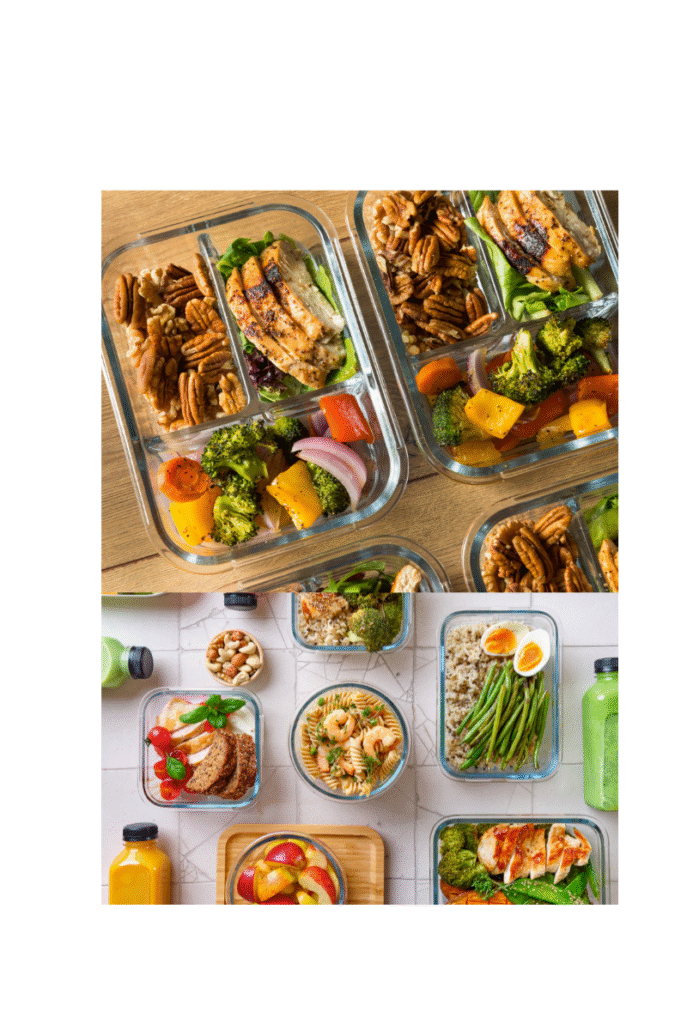
Smart Nutrition Strategies for Time-Pressed Professionals:
Your Complete Guide to Sustainable Meal Planning
Between back-to-back meetings, demanding projects, commutes, and personal responsibilities, today’s working professionals face an ongoing challenge: how to maintain consistent, nourishing eating habits when time feels like a luxury. Research from the American Psychological Association shows that 64% of working adults report that work is a significant source of stress, and poor eating habits often compound this challenge, creating a cycle of fatigue, decreased focus, and reduced resilience.
The good news?
Strategic meal planning isn’t just about food it’s about reclaiming control over your energy, health, and overall wellbeing. As someone who specialises in helping busy individuals transform their relationship with nutrition, I’ve seen firsthand how the right approach can turn mealtime from a source of stress into a foundation for sustained success.
The Hidden Cost of Reactive Eating
When we constantly react to hunger rather than planning ahead, our bodies and minds pay the price. Studies published in the Journal of Occupational Health Psychology reveal that employees who skip meals or rely heavily on highly processed food options might experience:
- Cognitive decline throughout the day: Blood sugar fluctuations directly impact concentration and our decision-making abilities
- Increased stress hormone production: Irregular eating patterns trigger cortisol release which then compound workplace stress
- Sleep quality disruption: Late-day energy crashes often lead to poor evening meal choices and eating too much too late which affects overnight sleep and recovery
- Compromised Immune function: Inadequate nutrition leaves us more susceptible to illness, leading to missed work days.
- Mood instability: The gut-brain connection means poor nutrition choices directly influence emotional regulation. (Hangry)
Beyond individual health impacts, workplace productivity suffers. A study by the International Labour Organisation found that poor nutrition decreases productivity by up to 20%, making meal planning not just a personal investment, but also a professional one.
Debunking the Meal Planning Myths That Hold You Back
Let’s address the most common misconceptions that prevent professionals from embracing meal planning:
Myth 1: “I don’t have time for meal planning” Reality: The average person spends 37 minutes daily deciding what to eat and gathering food. Meal planning reduces this to under 10 minutes per day while improving food quality.
Myth 2: “Healthy eating is expensive” Reality: Strategic meal planning typically reduces food costs by 15-25% by minimising food waste and impulse purchases. Bulk cooking of grains, legumes, and seasonal vegetables provides better value.
Myth 3: “Meal prep means eating boring, repetitive meals” Reality: Effective meal planning uses flexible frameworks rather than rigid menus. Think of it as creating a personal toolkit rather than following a script.
Myth 4: “I need hours of weekend prep time” Reality: The most sustainable approach involves 20-30 minutes of planning plus strategic 15-minute prep sessions throughout the week.
Your Foundation Framework: The Professional’s Meal Planning System
Phase 1: Audit Your Reality
Before getting into meal prep, spend one week tracking your current choices:
- What times do you typically eat?
- Where are you when hunger strikes?
- Which meals do you skip most often?
- What are your go-to meals or snacks when you are feeling stressed?
This awareness becomes the foundation for a realistic plan that works with your lifestyle, not against it.
Phase 2: Build Your Nutritional Architecture
Every meal should include these core components for sustained energy and satisfaction:
Quality Protein (Aim for 20-30g per meal):
- Lean meats, fish, eggs
- Plant proteins: lentils, chickpeas, tofu, tempeh
- Greek yogurt & cottage cheese
- Protein powder for smoothies/add to yoghurt/oats
Healthy Fats (1-2 servings):
- Avocado, olive oil, nuts, seeds
- Fatty fish like salmon or sardines
- Nut and seed butters
Complex Carbohydrates:
- Whole grains: Quinoa, brown rice, oats
- Root vegetables: Sweet potatoes, beetroot
- Legumes: black beans, chickpeas
Fibre-Rich Vegetables (Aim for 2-3 servings):
- Leafy greens like spinach & cruciferous vegetables
- Colourful peppers, tomatoes, carrots
- Frozen vegetables for convenience
Phase 3: Master the Art of Strategic Preparation
The Power Hour Approach: Dedicate one focused hour weekly to these high-impact activities:
- Wash and chop vegetables for easy access
- Cook 2-3 protein sources in bulk
- Prepare 1-2 versatile sauces or dressings
- Batch cook one grain or starchy vegetable
- Portion healthy snacks into grab-and-go containers
The 15-Minute Evening Reset: Before bed, spend 15 minutes preparing for the next day:
- Set out breakfast ingredients
- Pack lunch and snacks
- Check your schedule for meal timing challenges
- Prep any ingredients for quick dinners
Practical Meal Solutions for Every Professional Scenario
High-Energy Breakfast Options (Ready in 5-10 minutes)
The Executive Smoothie Bowl: Blend frozen berries, spinach, protein powder, and almond milk. Top with nuts, seeds, and a drizzle of nut butter. Eat at your desk or during your commute.
Overnight Success Oats: Combine oats, chia seeds, Greek yogurt, and milk in a jar. Add fruit and nuts in the morning. Prepare 3-4 jars on Sunday for the week.
Power Breakfast Wrap: Scrambled eggs with spinach and cheese in a whole grain tortilla. Make several on Sunday, wrap in foil, and reheat throughout the week.
Lunch Solutions That Travel Well
The Mediterranean Bowl: Quinoa base with chickpeas, cucumber, tomatoes, feta, and olive oil-lemon dressing. Stays fresh for 3-4 days and taste improves with time.
Asian-Inspired Protein Box: Edamame, hard-boiled eggs, snap peas, cherry tomatoes, and hummus with whole grain crackers. Pack in compartmented containers for variety.
Hearty Soup and Salad Combo: Make a large batch of lentil or chicken vegetable soup. Pair with a simple green salad and whole grain roll for a satisfying, portable meal.
Dinner Solutions for Busy Weeknights
Sheet Pan Success: Protein (chicken fillet, salmon or tofu) with seasonal vegetables, tossed in olive oil and herbs. One pan, 25 minutes, minimal tidy up afterwards.
Grain Bowl Assembly Line: Have cooked grains, roasted vegetables, and protein source. Mix and match throughout the week with different sauces for variety.
Smart Snacking for Sustained Energy
Strategic snacking prevents energy crashes and overeating at meals:
Mid-Morning Options:
- Apple slices with almond or peanut butter
- Greek yogurt with berries
- Homemade trail mix (nuts, seeds, dried fruit)
Afternoon Energy Boosters:
- Hummus with vegetable sticks
- Hard-boiled egg with whole grain crackers
- Protein smoothie with spinach and banana
Technology Tools That Support Success
Meal Planning Apps:
- PlateJoy for personalised meal plans https://www.platejoy.com/
- Meal time for quick, healthy recipes https://www.mealime.com/recipes
- Ask Chat GPT to prepare a personalise shopping list and recipe options that are customised for your nutritional goals.
Time-Saving Kitchen Tools:
- Instant Pot for quick protein and grain cooking
- High-quality food storage containers ideally made of glass
- Sharp knives and cutting boards for efficient prep
Navigating Common Challenges
Challenge: Frequent Business Travel Solution: Research hotel and airport options in advance. Pack portable snacks and a good protein powder option. Look for accommodations with kitchenettes when possible.
Challenge: Family Meal Coordination Solution: Plan family-friendly meals that can be partially prepared in advance. Involve family members in Sunday prep sessions to build buy-in and share out the workload.
Measuring Your Success
Track these indicators of improved nutrition habits:
- Energy levels throughout the day
- Sleep quality improvements
- Reduced afternoon cravings
- Better mood stability
- Decreased stress around meal decisions
- Financial savings from reduced impulse food purchases
Building Long-Term Success
Remember that sustainable meal planning is about progress and not perfection. Start with planning just 3-4 meals per week and gradually expand as the habits become more natural. The goal is to create a system that supports your professional life while nourishing your body for long term goals and to optimise your health.
Your investment in meal planning pays dividends in every area of life, increased energy for important projects, better focus during crucial meetings, improved mood for family time, and the confidence that comes from taking ownership of your health.
The question isn’t whether you have time for meal planning; it’s whether you can afford not to prioritise the foundation of your energy, health, and professional performance.
Start where you are, use what you have, and seek out quick wins. Your future self will thank you for taking this important step toward sustainable health & nutrition that also compliments better sleep, stress management and social connectivity by giving you back time.


Leave a Reply
Want to join the discussion?Feel free to contribute!