
Optimise Your Health in 2026: Top Nutrition Trends Revealed
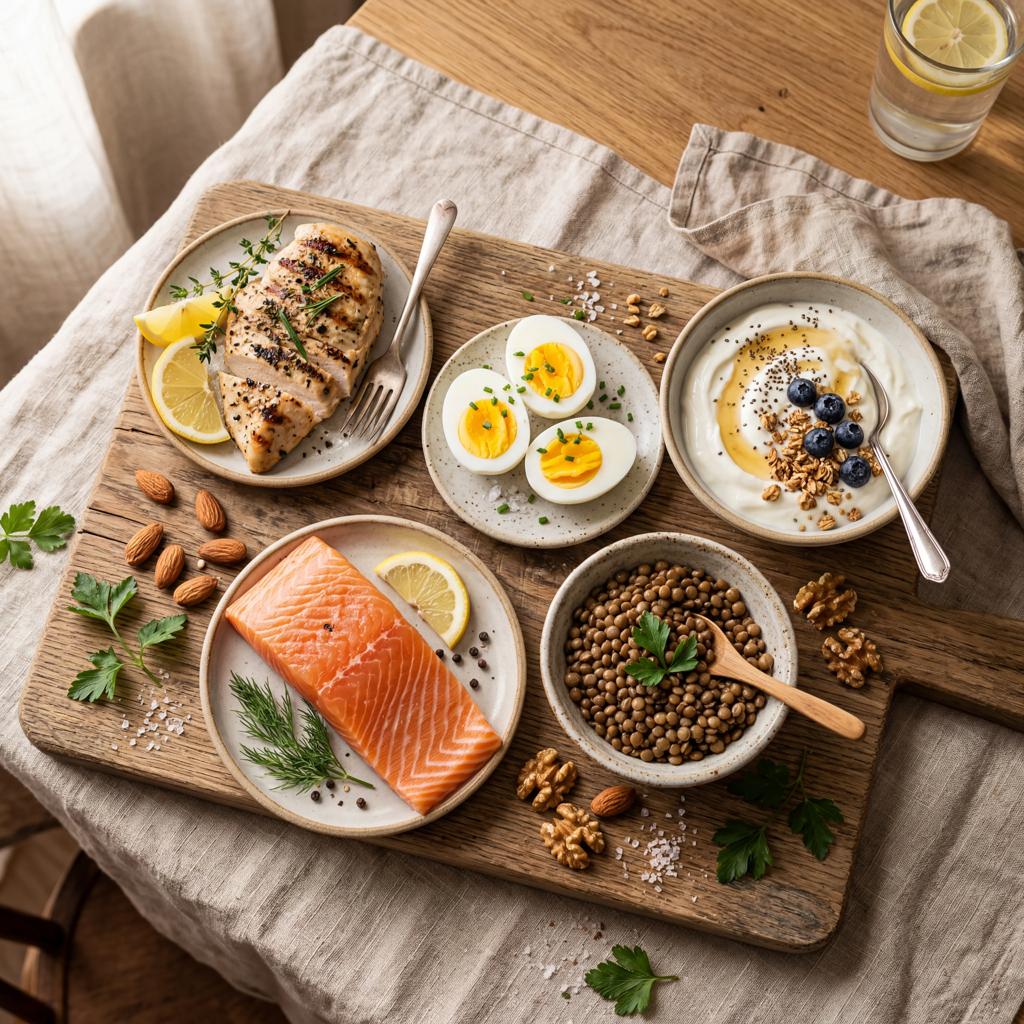
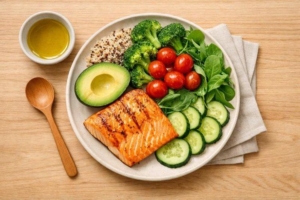
Balanced Plates
Nutrition advice is everywhere. From high-protein diets and gut health to personalised nutrition, supplements and the latest wellness products, it can be difficult to separate meaningful developments from another passing social media trend.
In 2026, the conversation around nutrition is increasingly focused on long-term health, metabolic health, gut microbiome diversity, maintaining muscle as we age and understanding how our individual nutritional needs change throughout life.
But which nutrition trends are actually supported by science, and which are worth incorporating into everyday life?
As a Health & Nutrition Coach, I believe the most valuable approach is not about chasing the latest diet trend, eliminating entire food groups or spending money on unnecessary products. It’s understanding what your body needs, building balanced meals and making sustainable changes that support your health over time.
Here are six nutrition trends worth paying attention to in 2026, and how you can put them into practice.
1. Protein: Quality, Quantity and Distribution
Protein continues to dominate nutrition conversations, and for good reason. It plays an essential role in building and maintaining muscle, supporting recovery, producing enzymes and hormones, and maintaining many of the body’s structures and functions.
With growing interest in strength training, healthy ageing and maintaining muscle mass, protein is receiving more attention than ever.
However, the conversation needs to move beyond simply buying products labelled high protein.
Are you getting enough protein throughout the day? Are you choosing a variety of sources? And are you combining adequate protein intake with regular resistance training?
Protein can come from animal sources such as eggs, fish, poultry, lean meat and Greek yoghurt, as well as plant-based foods including lentils, beans, chickpeas, tofu, nuts and seeds.
Rather than concentrating most of your protein at dinner, consider including a good source at breakfast and lunch too.
My advice: Focus on protein as part of a balanced meal. A high-protein snack or yoghurt can be useful, but it doesn’t replace the benefits of a varied diet containing fibre, healthy fats and essential micronutrients.
More protein isn’t automatically better. Individual requirements vary depending on age, activity levels, health and personal circumstances.

2. Fibre and Gut Health: Feed Your Microbiome
Gut health is one of the biggest areas of interest in nutrition, and the focus is moving beyond digestion alone towards the relationship between the gut microbiome, immune function and overall health.
Your gut microbiome is made up of trillions of microorganisms, including bacteria, that interact with your body in several ways.
One of the most effective ways to support a diverse gut microbiome is through dietary variety, particularly plant foods.
Fibre is particularly important. It supports digestive health, helps maintain bowel regularity and provides nourishment for certain beneficial gut bacteria.
There are different types of dietary fibre, including soluble and insoluble fibre, and both have important roles.
Some excellent sources include:
- Oats and barley.
- Lentils, chickpeas and beans.
- Broccoli, carrots and leafy greens.
- Apples, pears and berries.
- Chia seeds, flaxseeds and nuts.
- Wholegrain breads and cereals.
The World Health Organisation recommends adults and children over ten aim for at least 25g of naturally occurring dietary fibre daily.
But rather than focusing solely on a number, think about how much variety you can introduce into your meals.
Try adding lentils to a soup, berries and seeds to your breakfast or beans to a lunchtime salad.
Fermented foods such as natural yoghurt, kefir, kimchi and sauerkraut are also attracting attention because they contain live microorganisms or are produced through fermentation. However, their effects vary, and they aren’t essential for everyone.
My advice: Think fibre first. Gradually increase your intake, drink enough water and aim to eat a wider variety of plant foods throughout the week.
3. Personalised Nutrition: There Is No One-Size-Fits-All Diet
We are becoming increasingly aware that nutritional requirements differ between individuals.
Age, activity levels, lifestyle, food preferences, health history and personal goals all influence what works best for someone.
This is driving interest in personalised nutrition, including wearable technology, continuous glucose monitors, microbiome testing and data-led dietary recommendations.
Research is developing in this area. A 2026 review published in Food & Function, involving researchers at University College Dublin, examined 24 studies investigating personalised nutrition. Findings showed promising improvements in dietary quality and some metabolic markers, although further research is needed to understand long-term benefits and who is most likely to benefit.
Does this mean you need expensive testing to improve your nutrition? Absolutely not.
Often, the best starting point is understanding your existing habits.
Are you eating regularly? Are your meals balanced? Are you getting enough protein and fibre? Are you eating enough to support your activity levels? What does your energy look like throughout the day?
My advice: Personalisation starts with the individual, not a testing kit. Understand your lifestyle, identify nutritional gaps and make changes that are realistic for you.
4. Nutrition for Healthy Ageing: Muscle, Metabolism and Midlife Health
Healthy ageing is receiving more attention, particularly as people become interested in maintaining their independence, strength, energy and quality of life as they get older.
For women approaching their forties, fifties and beyond, understanding how nutritional needs and lifestyle priorities may change is particularly important.
Muscle mass naturally changes with age, making resistance training and adequate nutrition important parts of maintaining strength and physical function.
Protein is one part of the picture, but so are overall energy intake, carbohydrates to fuel activity, healthy fats, vitamins and minerals.
Other important considerations include:
- Calcium and vitamin D for bone health.
- Adequate protein to support muscle maintenance.
- Fibre for digestive and cardiovascular health.
- Iron, particularly where requirements or losses make it relevant.
- A varied diet providing essential micronutrients.
- Regular strength training and weight-bearing activity.
Perimenopause and menopause can also bring changes in body composition, sleep, energy and nutritional priorities. There is no one specific diet that prevents or resolves these changes, but a supportive approach to nutrition, movement, recovery and lifestyle can make a meaningful difference to overall wellbeing.
My advice: Do not wait until later life to prioritise muscle, strength and good nutrition. Healthy ageing is something we can actively work towards at every stage of adulthood, the best time to start is now.
5. Wholefoods Versus Ultra-Processed Foods: Quality Over Calories
Another important conversation in 2026 is the quality of the food we eat.
For years, nutrition conversations have often focused heavily on calories, weight loss and portion control. While energy balance matters, it does not tell us everything about the nutritional quality of our food.
A diet providing adequate energy but lacking fibre, protein, vitamins, minerals and dietary variety may not be supporting health as well as it could.
There is growing interest in reducing reliance on ultra-processed foods and including more whole and minimally processed ingredients.
This does not mean every processed food is unhealthy. Frozen vegetables, tinned beans, wholegrain bread and natural yoghurt can all be convenient and nutritious choices. Most foods will have to undergo some form of processing and this is where having the right information and source matters.
Instead of creating food rules or fearing particular ingredients, consider what you could add to your diet.
Could you:
- Include more vegetables at lunch and dinner?
- Choose wholegrain cereals more often?
- Add beans or lentils to meals?
- Prepare a few meals in advance?
- Replace some highly processed snacks with fruits/berries, plain greek yoghurt or nuts?
The WHO identifies dietary diversity and a foundation of minimally processed and unprocessed foods as important principles of healthy eating.
My advice: Focus on the quality of what you are brining to your plate, rather than constantly thinking about what you need to remove.
6. Functional Foods and Supplements: What Is Worth the Investment?
Functional foods are attracting considerable attention, particularly products marketed for gut health, immunity, energy, inflammation and healthy ageing.
Many of these foods provide naturally occurring compounds alongside essential nutrients, making them valuable additions to a varied diet.
However, the term functional food can sometimes be used as a marketing tool.
A product labelled as supporting gut health or boosting immunity does not automatically prove it delivers those benefits.
The same applies to supplements. Collagen, probiotics, adaptogens and other wellness products are widely promoted, but evidence varies considerably depending on the ingredient, product and health outcome being investigated.
Supplements can have a role where there is an identified nutritional need or a specific clinical recommendation, but they should not replace a balanced diet.
My advice: Start with food. Build a varied foundation of wholefoods before investing in expensive trendy products. Be curious about health claims and look for credible evidence rather than relying on social media recommendations.
How to Put These Nutrition Trends Into Practice in 2026
Often, the biggest improvements come from a few consistent changes that gradually become part of your everyday routine.
Here are five practical ways to start:
1. Increase food variety. Include a wider range of vegetables, fruit, pulses, wholegrains, nuts and seeds throughout the week.
2. Prioritise protein. Include a good source of protein at each main meal, choosing from a variety of animal and plant-based options.
3. Increase fibre. Introduce more beans, lentils, oats, vegetables and berries. Increase gradually and stay hydrated.
4. Maintain muscle. Combine adequate nutrition with regular strength and resistance training to support strength and physical function.
5. Be consistent. Choose changes that fit your lifestyle. Sustainable progress is more valuable than following a restrictive plan for a few weeks.
Frequently Asked Questions About Nutrition Trends in 2026
What are the biggest nutrition trends in 2026?
Key nutrition themes include protein, dietary fibre, gut microbiome diversity, personalised nutrition, plant-forward eating and healthy ageing. The emphasis is increasingly on long-term health rather than quick fixes.
What is the best diet for long-term health?
There is no single diet that suits everyone. A varied eating pattern rich in vegetables, fruit, wholegrains, pulses, healthy fats and adequate protein provides a strong foundation for health.
How much protein should I eat each day?
Protein requirements vary depending on age, body size, activity levels and health. Rather than following a generic high-protein target, consider your individual needs and include varied protein sources throughout the day.
Why is fibre important for gut health?
Fibre supports digestive health and bowel regularity. Certain types of fibre are also fermented by gut bacteria, producing substances such as short-chain fatty acids that play important roles in gut health.
How can a nutrition coach help me improve my diet?
A Health & Nutrition Coach can help you understand your existing habits, identify opportunities for improvement, set realistic goals and develop sustainable nutrition and lifestyle changes that fit your individual circumstances.
Your Health Is Worth Investing In
Nutrition trends will continue to evolve, but the foundations of good health remain remarkably consistent.
Eating a varied diet, nourishing your gut, prioritising protein and fibre, maintaining muscle and building healthy habits all contribute to supporting your health over time.
The challenge for many people isn’t knowing that they should eat better. It’s knowing where to start, understanding what works for their individual circumstances and making those changes last.
This is where health coaching can help.
Through Optimise Your Health, I work with individuals to understand their current habits, identify opportunities for improvement and build a realistic, personalised approach to nutrition and lifestyle.
Interested in finding out how nutrition coaching could support your goals?
Book a free 15-minute discovery call and let’s talk about where you would like to make a change.
References and further reading
- World Health Organization – Healthy Diet (2026)
- HSE – How to Eat Well
- Martinsen & Brennan – Key Evidence for Personalised Nutrition: A Review of Randomised Controlled Trials, Food & Function (2026)
- Department of Health – Healthy Ireland Food Pyramid
Written & edited by Yvonne Hudson, Certified Health & Nutrition Coach, full member of the UKIHCA
Optimise Your Health
Health?
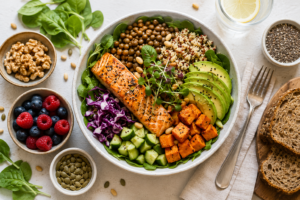
A colourful, balanced meal featuring salmon, lentils, leafy greens, avocado, sweet potato, berries, nuts and seeds.


Leave a Reply
Want to join the discussion?Feel free to contribute!