
Polyphenols for Perimenopause & Menopause: Natural Support for Hormones, Heart Health & Skin!
What Are Polyphenols, and Why Do They Matter during our Menopause transition journey?
Have you ever wondered why certain foods seem to have such powerful effects on how we feel? The secret might just be in their polyphenol content!
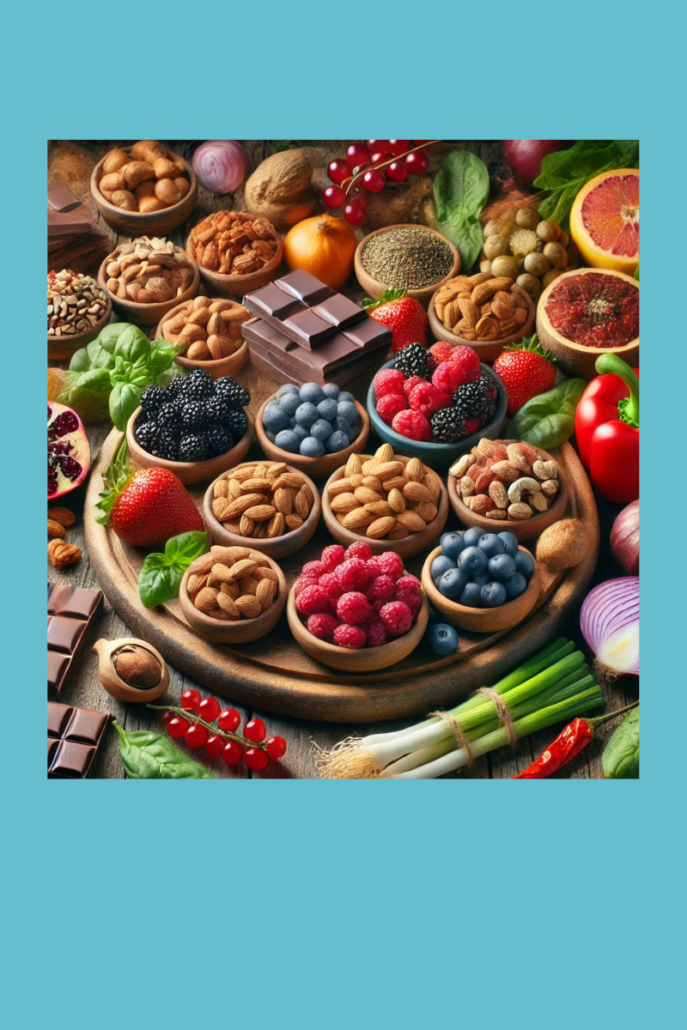
These remarkable plant compounds are found abundantly in nature’s most colourful and flavourful foods juicy berries, crunchy nuts, rich dark chocolate, and even that occasional glass of red wine you might enjoy.
But what exactly makes polyphenols so special during this transformative time in our lives?
Polyphenols are not just ordinary nutrients. They’re powerful plant compounds with extraordinary antioxidant and anti-inflammatory properties that work at the cellular level. Think of them as your body’s natural defence team, helping to counteract the effects of aging and the hormonal fluctuations that occur during perimenopause and menopause.
As our oestrogen levels naturally decline, our bodies face new challenges from mood swings and hot flashes to changes in skin elasticity and heart health. This is precisely where polyphenols shine! For women navigating the perimenopause-to-menopause journey, these natural compounds offer a gentle yet effective way to support overall wellbeing, helping to maintain hormonal balance, protect cardiovascular health, and preserve that youthful skin vitality we all cherish.
Do Polyphenols help with Blood Sugar Balance?
Yes! Blood sugar fluctuations become increasingly common during menopause, often leading to those frustrating energy crashes and stubborn weight gain around our middle. The science behind this is fascinating polyphenols actually help slow down carbohydrate digestion in your digestive tract, creating a more gradual release of glucose into your bloodstream.
What does this mean for you practically?
More stable energy throughout the day, fewer cravings for sugary snacks, and better control over those menopausal weight changes. Many women report feeling more balanced and energetic when they incorporate polyphenol-rich foods into their daily meals, especially at breakfast and when afternoon cravings typically strike.
Do Polyphenols Support Heart Health?
Absolutely! Did you know that your risk of heart disease increases significantly after menopause? This is largely due to declining oestrogen levels, which previously helped protect your cardiovascular system. It’s not just about cholesterol numbers, it’s about the health of your entire circulatory system.
Polyphenols have been shown in numerous studies to support heart health in multiple ways. They help reduce inflammation in blood vessels, improve their flexibility and function, and support healthy cholesterol profiles by increasing “good” HDL cholesterol while helping manage “harmful” LDL cholesterol.
Some polyphenols, like those found in berries and dark chocolate, have even been shown to help maintain healthy blood pressure levels.
By incorporating a variety of polyphenol-rich foods into your daily diet, you’re essentially giving your heart a protective shield during this time of hormonal transition.
Can Polyphenols Protect Against Oxidative Stress and Aging?
During menopause, oxidative stress essentially an imbalance between free radicals and antioxidants in your body can accelerate not just visible signs of aging but also internal cellular damage. You might notice this as skin that suddenly seems less radiant, joints that feel stiffer, or a general sense of fatigue that’s hard to shake.
As powerful antioxidants, polyphenols help neutralise these harmful free radicals before they can cause damage to your cells. This protection works from the inside out, supporting everything from brain function to joint flexibility. Many women report noticing improvements in skin texture and elasticity when they increase their polyphenol intake, along with better recovery after exercise and more consistent energy levels.
The beauty of polyphenols is that they don’t just mask symptoms they address one of the root causes of accelerated aging during menopause by fighting oxidative stress at a cellular level.
Do Polyphenols Reduce the Risk of Certain Cancers?
Research continues to suggest that polyphenols may play a significant role in cancer prevention by stabilising free radicals, reducing chronic inflammation, and supporting healthy cell replication. Certain types of polyphenols have been studied for their potential protective effects against hormone sensitive cancers, which is particularly relevant for women during and after menopause.
While polyphenols are certainly not a cure-all or replacement for important regular screenings and medical care, incorporating them as part of a balanced, nutrient-rich diet creates an internal environment that supports your body’s natural defence systems.
Think of it as adding another layer of protection during a time when your hormonal shifts might make you more vulnerable.
Polyphenol Powerhouses: Foods to Embrace During Your Menopause Journey
Adding these polyphenol-rich foods to your diet can enhance your well-being through every stage of menopause:
🍫 Dark Chocolate – Try to select 85% cocoa or higher to gain the most benefits. That little square of dark chocolate isn’t just a treat more that it’s medicine! The flavanols in dark chocolate have been shown to support cognitive function and mood balance, two areas many women struggle with during menopause.
Just remember, quality does matters and the higher the cocoa content, the more polyphenols you’ll get. Aim for 85% plus.
🍓 Berries – Blackberries, strawberries, and raspberries are packed with anthocyanin, the polyphenols that give them their vibrant colours. These particular polyphenols are especially helpful for maintaining memory and cognitive function during hormonal transitions. Try adding a handful to your morning yogurt or afternoon smoothie for a delicious brain boost!
🌿 Herbs & Spices – Thyme, basil, and ginger do more than just flavour your food they’re concentrated sources of unique polyphenols that support digestion and reduce inflammation. Many women find that adding fresh herbs to their meals not only enhances flavour without extra salt but also helps ease digestive discomforts that can increase during menopause.
🥜 Nuts – Hazelnuts, almonds, and pecans provide a perfect combination of healthy fats and polyphenols. The particular polyphenols in nuts have been shown to support heart and brain health, while their protein and fat content help stabilise blood sugar and keep hunger at bay which is perfect for managing any menopausal cravings!
🥗 Vegetables – Onions, spinach, chicory, olives, and artichokes aren’t just low-calorie plate fillers they’re als polyphenol powerhouses! The quercetin in onions and the unique polyphenols in leafy greens support everything from bone health to immune function, areas that need extra attention during menopause.
🍷 Red Wine – In moderation, red wine contains resveratrol, a powerful polyphenol associated with heart health and longevity.
If you enjoy an occasional glass, know that you’re also getting some polyphenol benefits. If you prefer not to drink alcohol, purple grape juice offers similar (though less concentrated) benefits.
For further reading on this check out https://zoe.com/learn/foods-high-in-polyphenols
How might you add in more Polyphenols to Your Daily Diet?
- Start your day well by adding a handful of berries and nuts to your breakfast bowl, smoothie or greek yoghurt.
- Transform ordinary meals into polyphenol feasts by sprinkling fresh herbs and spices onto your dishes. Think basil over pasta, cinnamon in your coffee, or thyme on roasted vegetables.
- Satisfy your sweet tooth mindfully by swapping processed milk chocolate for a small square of high-quality dark chocolate (Aim for 85% cocoa or higher).
- Make your salads work harder for your health by drizzling extra virgin olive oil over your leafy greens and vegetables, a lovely combination of polyphenols from both the oil and vegetables creates a powerful synergy.
- If it aligns with your lifestyle, enjoy a glass of red wine occasionally as part of your balanced approach to nutrition during menopause but remember that the benefits come from moderation.
- Create your own polyphenol-rich trail mix with a variety of nuts, seeds, and a few dark chocolate chips for an on-the-go snack that supports your hormonal health.
- Check out https://aroniaireland.com/ Did you know that Aronia berries are packed with polyphenols ? They are a lovely addition to plain yoghurt or smoothies!
Final Thoughts: Are Polyphenols Essential for Menopausal Health?
While no single food can “cure” menopause symptoms (and we should be skeptical of any product claiming otherwise), polyphenols provide a powerful, natural way to support your body during this transition. The beauty of focusing on polyphenol-rich foods is that you’re not just addressing one symptom you’re nourishing your entire body with compounds that work together to support your changing hormonal landscape.
By thoughtfully incorporating these foods into your daily meals, you can boost energy, protect your heart, maintain cognitive clarity, and support that radiant skin we all want to keep all while enjoying delicious, nourishing foods that make your taste buds happy too.
Remember that the menopause journey is unique for every woman. What works beautifully for one may need adjustment for another.
That’s why personalised nutrition and lifestyle support can be so valuable during this transitional time.
Would you like help creating a personalised nutrition plan to support your body during your menopause journey?
Let’s work together to develop an approach that honours your unique body, preferences, and lifestyle. Together, we can create a polyphenol-rich nutrition strategy that not only helps manage symptoms but truly supports your thriving through every stage of this transformation.
With the right nutritional support, it can be a time for renewed energy, vibrant health, and natural balance.
Thanks for reading & please do follow me for further health & nutrition hints, tips and information.


Leave a Reply
Want to join the discussion?Feel free to contribute!