
Smart Grocery Shopping Tips for Busy Families: A Practical Meal Planner Guide
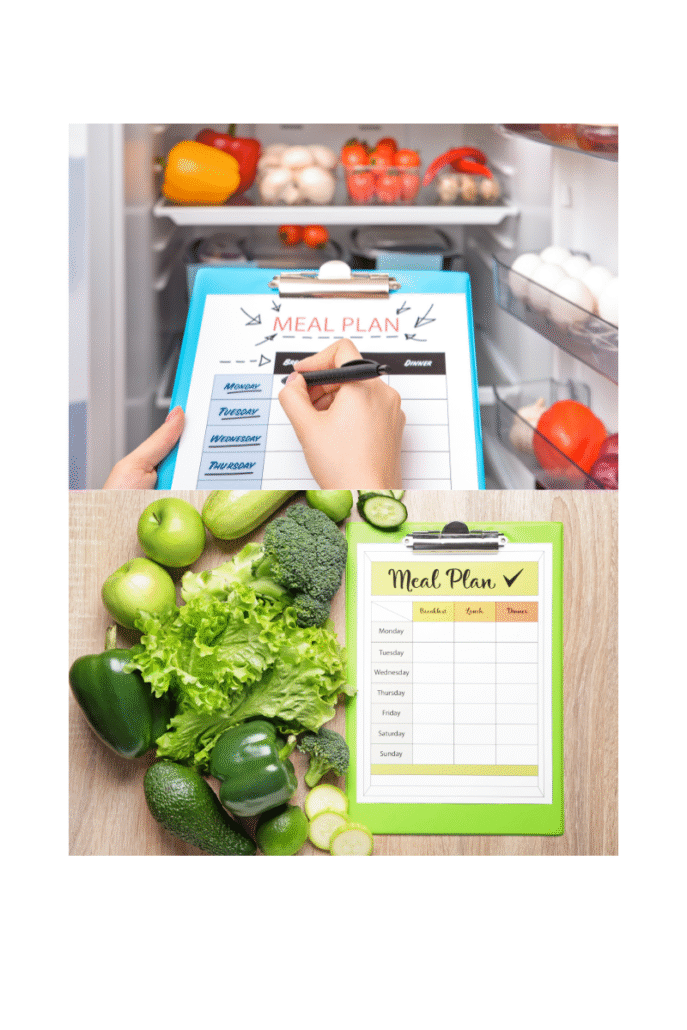
Smart Shopping & Meal Planning Hints and Tips
Being honest, even when you are motivated to eat better, the shopping and cooking part can feel like a bit of a big mountain to climb. But here’s the good news: a few simple strategies can transform the whole experience from overwhelming to genuinely manageable (and maybe even enjoyable).
I have recently worked with clients who have fallen back in love with the food shop and cooking all over again.
-
Batch Cooking
Research shows that decision fatigue is real the more food choices we make throughout the week, the more mentally draining it becomes. That’s where smart batching ideas comes in.Plan meals around shared ingredients so you’re not buying 20 different items that get used once. Items like tomatoes, pre chopped frozen onions, peppers, leafy greens, legumes and whole grains working across multiple dishes throughout your week.
Try prepping these foundational pieces:
- A big tray of roasted vegetables (perfect for wraps, adding into grain bowls, or having with scrambled eggs)
- A couple of pre cooked sweet potatoes or chicken fillets
- A couple of homemade sauces like pesto, hummus or a tomato based option
These building blocks give you creative freedom without the daily pressure of starting from scratch.
-
Make Friends With Your Freezer
Here’s something interesting, frozen fruits and vegetables are picked and flash frozen at their nutritional peak, which means they’re just as nutrient dense as fresh sometimes even more so than produce that’s been sitting on shelves for days. Plus, they’re really budget-friendly.
Stock your freezer with:
- Mixed Berries for smoothies, porridge, or to add into greek yogurt bowls
- Spinach, peas, broccoli, and mixed peppers for quick dinner prep
- Pre-chopped garlic, ginger, and herbs to save you time
- Be Flexible, Not Rigid
A meal planner should support you and not stress you out. Life gets in the way sometimes meetings run late, kids get sick and our energy dips. That’s completely normal.
Build in some flexibility
- Keep one “floating meal” that can shift to any day of the week
- Have one ultra-quick backup option ready (eggs with smoked salmon/baked beans on toast or tinned tuna with a baked sweet potato and spinach)
- Maintain a few pantry staples for those “I can’t even” nights
-
Get Everyone On Board
Studies in behavioural psychology show that people are far more likely to embrace something they have helped create. We enjoy being part of the process. The same applies to family meals.
Simple ways to involve others:
- Let children pick one meal per week from a cookbook or online.
- Assign small, age-appropriate tasks (washing vegetables, tearing lettuce, setting the table)
- Design the weekly meals together
This builds kitchen confidence, reduces mealtime struggles, and teaches valuable life skills along the way.
-
Store Food Well
Proper storage can genuinely extend freshness by days which means less waste and more money saved.
Quick storage wins:
- Wrap herbs or salad leaves in slightly damp kitchen paper and keep them in airtight containers
- Store berries in breathable containers to prevent mould
- Keep root vegetables in a cool, dark spot (not in the fridge)
- Always label and date leftovers before freezing and future you will be grateful!
-
Build Your Foundation: A Solid Pantry
According to food security research, households with well-stocked pantries report lower stress around mealtimes and greater dietary variety. Your pantry is your safety blanket.
Keep these on hand:
- Whole grains (brown rice, quinoa, oats, whole wheat pasta)
- Tinned staples (tomatoes, coconut milk, chickpeas, beans, tuna and sardines)
- Healthy fats and flavour-makers (olive oil, vinegars, spices and nut butters)
- Protein options (nuts, lentils, seeds, tinned baked beans and fish)
These items let you pull together nutritious, satisfying meals even when the fridge is looking a little bare.
-
Shop With Strategy
Small shifts in how you shop can save time, money, and mental energy.
Smart shopping habits:
- Go seasonal t’s fresher, tastier, and typically better value.
- Organise your list by section (produce, refrigerated, pantry, household) to avoid wandering around and being tempted to add in items you don’t need
- Try online shopping particularly if impulse buying or the appeal of a multi pack deal tend to derail your budget and meal planner.
- Think “cook once, eat twice” that roast chicken becomes soups, wraps, salads, or stir-fries later in the week.
Making Your Plan Work for Your Life
Here’s the interesting thing: no single meal plan fits everyone taste palate or budget. Your schedule, preferences, energy levels, and household dynamics are unique and so should your approach to food planning.
This YouTube channel is great for fresh, inspiring ideas that help break meal-planning boredom.
Swap Smart
Your plan should bend and not break:
- Don’t like mackerel? Swap in salmon, sardines, or tinned tuna.
- No kale? Try spinach, sprouts, or frozen mixed greens.
- Enjoy dairy-free? Opting for fortified plant milks, coconut yogurt, or nut-based alternatives.
The goal is consistency you can maintain and you enjoy.
Family-Friendly Flexibility
For households with varying tastes, “deconstructed meals” are your friend:
- Burrito bowls where everyone builds their own
- Stir-fries with toppings served separately
- Wrap stations with different filling options
This approach reduces conflict and keeps mealtimes peaceful and enjoyable.
Short on Time?
You don’t need a perfect seven-day plan to eat well.
Quick wins:
- Rotate 2 to 3 favourite breakfasts throughout the week
- Batch-prep lunches for just 2 to 3 days at a time
- Use pre-chopped vegetables or microwaveable grains when life gets busy
- Keep one no-cook option ready to go (Greek yogurt overnight oats, tuna salad, or turkey slices with hummus and fresh veggie sticks)
Keep It Real
Life includes takeaway nights, leftovers, spontaneous dinner dates with friends, and evenings where toast and scrambled eggs or a bowl of porridge is enough. All of this is part of having a healthy and sustainable relationship with food.
Build room for:
- A fridge-clean-out meal using whatever needs using up
- Simple, low-effort meals when energy is low
Want Personalised Coaching Support?
If you’d like help creating different meal ideas tailored to your health goals, lifestyle modifications, and food preferences whether that’s managing bettter energy levels, supporting training goals, or simply feeding a busy household better, then I’m here to help you implement habits to support these changes.
Get in contact to chat further email yvonne@optimiseyourhealth.ie
Stay well and optimise your health,
Yvonne


Leave a Reply
Want to join the discussion?Feel free to contribute!